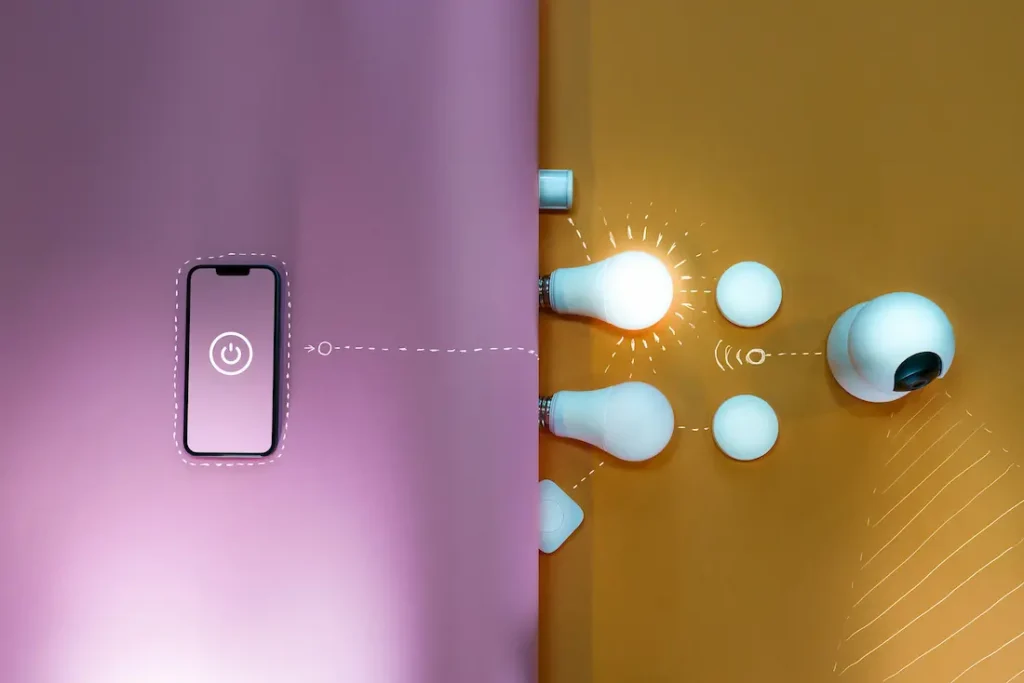
KEY TAKEAWAYS
- Choosing Matter-compatible devices which are backed by Apple, Google, Amazon & Samsung ensures long-term compatibility.
- Prioritize local processing so your devices continue working even if cloud services shut down or the internet fails.
- Invest in Wi-Fi 6E or Wi-Fi 7 networks to support dozens of smart devices without lag or dropouts.
- Select hubs with open protocols like Home Assistant and Hubitat to avoid ecosystem lock-in and maintain flexibility.
- Look for devices with OTA update commitments so they continue improving with security patches and new features.
- Wire strategically using Ethernet and hardwired switches to achieve bulletproof reliability and performance.
- Plan for AI integration now, as smart homes in 2026 will rely heavily on AI-driven automation and intelligence.
Reading Time: 8 minutes
Potential Savings: $3,000-$10,000 in avoided obsolete tech replacements
The Bottom Line Upfront
Short on time? Here’s what matters most for 2026:
- Buy Matter-certified devices – it’s now the industry standard!
- Choose Thread-enabled products – faster, more reliable than older protocols
- Upgrade to Wi-Fi 7 if possible – handles massive device loads
- Avoid cloud-only devices – they die when companies fold
- Prepare for AI assistants – your smart home needs to integrate with evolving AI
Now, let’s dive into the complete strategy…
Table of Contents
What Does It Mean to Futureproof Your Smart Home?
Futureproofing means making strategic decisions today that keep your smart home relevant tomorrow.
It’s not about buying the most expensive gadgets. It’s about choosing:
- Standards that will last (not proprietary dead-ends)
- Infrastructure that scales (not systems that max out)
- Devices with long-term support (not flash-in-the-pan brands)
- Flexibility over convenience (not locked ecosystems)
Think of it like building a house. You want a foundation that supports future additions—not one that crumbles when you add a second floor.
⚡ Why Futureproofing Matters More in 2026
1. Technology Is Moving Faster Than Ever
AI integration, Thread protocol, Matter 2.0, Wi-Fi 7—the smart home landscape is evolving rapidly. What’s cutting-edge today is outdated tomorrow.
2. Company Shutdowns Are Increasing
Remember Insteon? Wink? Countless smart home brands have folded, leaving users with useless devices. Futureproofing protects you.
3. Security Risks Are Growing
Unsupported devices don’t receive security patches. They become backdoors into your home network.
4. Integration Expectations Are Higher
In 2026, you’ll want your smart home to work with AI assistants, EV chargers, solar systems, and devices that don’t even exist yet.
5. Increases Home value
Smart home installation boosts your home’s value because buyers love the added comfort, security, and modern convenience it brings. I have created a complete detailed blog in which i discuss the strategies on how you can increase you home value by at least 25k.
Essential Strategies to Futureproof Your Smart Home in 2026
1. Make Matter Your Non-Negotiable Standard
If you remember just ONE thing from this guide, let it be this:
Buy Matter-certified devices. Period.
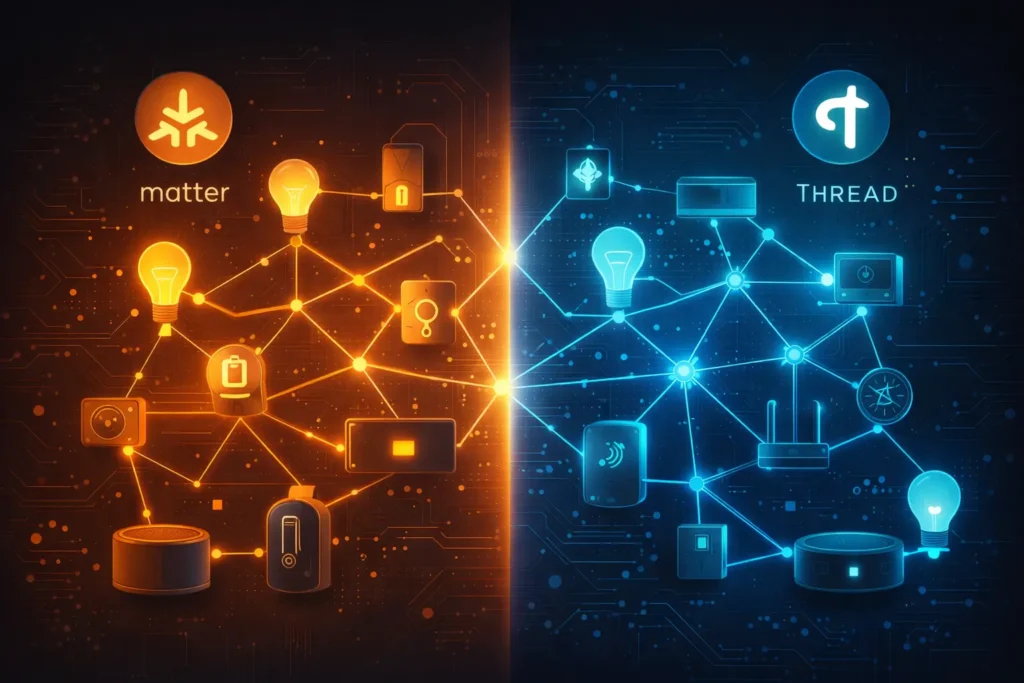
Matter is the universal smart home protocol backed by:
- Apple
- Amazon
- Samsung
- And 200+ other companies
Why Matter wins:
- Works across ALL major platforms
- Local control (no cloud dependency)
- Enhanced security built-in
- Guaranteed interoperability
2026 Reality Check: Most major manufacturers now ship Matter-compatible products. If a device doesn’t support Matter, seriously question whether it’s worth buying.
Here’s a guide for the Matter protocol in smart homes which will answer most of your questions.
2. Embrace Thread for Rock-Solid Connectivity
Thread is the wireless protocol that makes Matter shine.
Why Thread matters in 2026:
- Creates a self-healing mesh network
- Ultra-low power consumption
- No single point of failure
- Works even if your internet goes down
Devices to look for:
- Thread border routers (Apple HomePod Mini, Google Nest Hub)
- Thread-enabled sensors, locks, and lights
3. Invest in Wi-Fi 7 Infrastructure
Your smart home is only as strong as your network. In 2026, that means Wi-Fi 7.
Wi-Fi 7 advantages:
- 4x faster than Wi-Fi 6
- Handles 100+ simultaneous devices
- Lower latency for real-time automation
- Better penetration through walls
Recommended setup:
- Wi-Fi 7 mesh system (Eero, Orbi, or Asus)
- Dedicated IoT network (separate from personal devices)
- Wired backhaul between mesh nodes
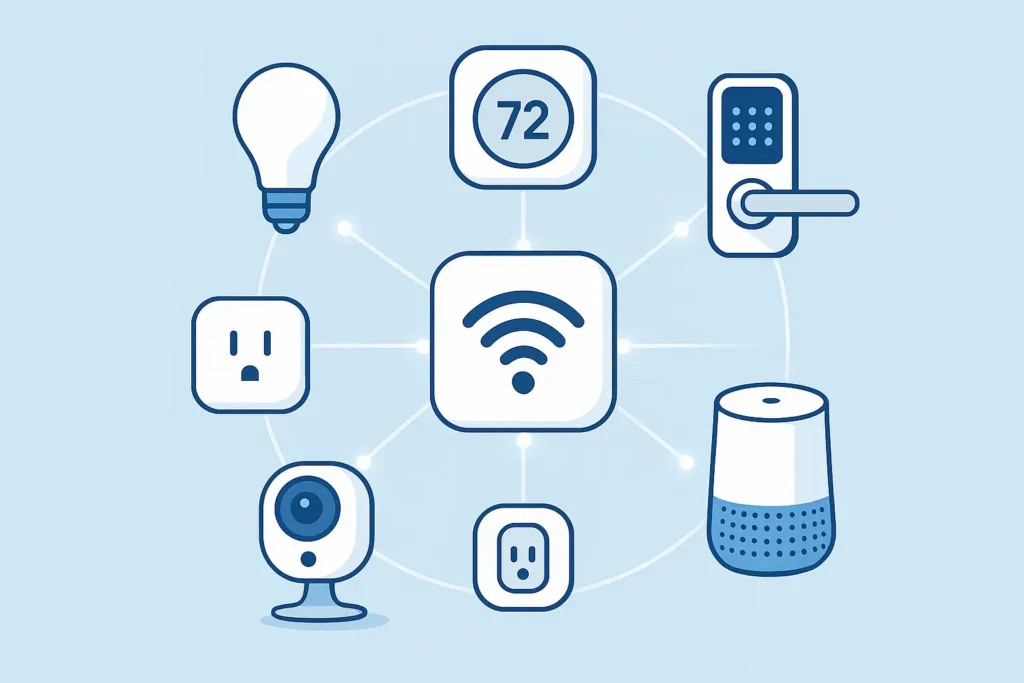
4. Choose Open-Source or Flexible Hubs
Your hub controls everything. Choose wisely.
Top futureproof hubs for 2026:
| Hub | Best For | Why It’s Futureproof |
|---|---|---|
| Home Assistant | Power users | Open-source, massive community, Matter-ready |
| Hubitat Elevation | Privacy-focused | Local processing, no cloud required |
| Apple Home | Apple ecosystem | Tight integration, strong privacy |
| SmartThings | Beginners | Matter-certified, broad compatibility |
Avoid: Hubs from unknown brands that rely entirely on cloud servers. When the company folds, your hub becomes a paperweight.
5. Prioritize Local Processing Over Cloud Dependency
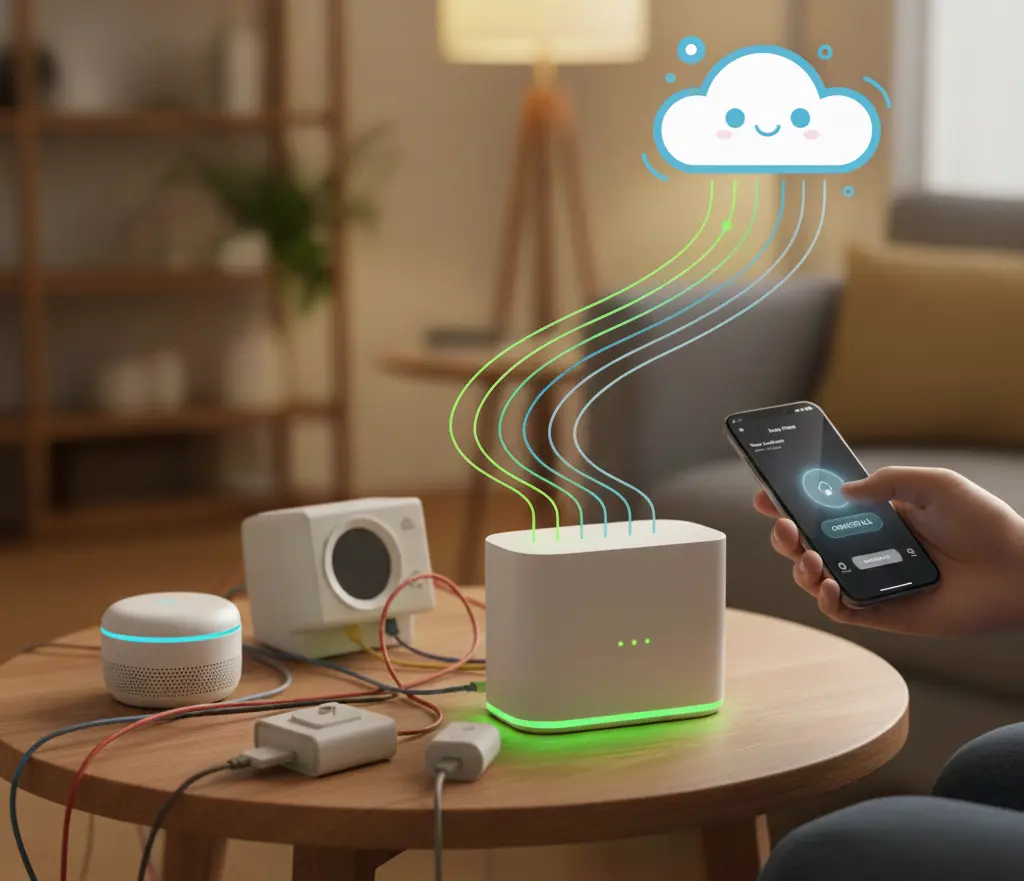
Cloud services fail. Companies shut down. Internet goes out.
The futureproof solution? Choose devices that work locally.
What to look for:
- Local automation processing
- Offline functionality
- On-device AI processing
- Optional (not required) cloud features
2026 Trend: More devices now offer local AI processing. Prioritize these for long-term reliability.
6. Prepare Your Home for AI Integration
Smart homes in 2026 are becoming intelligent homes.
What this means:
- AI assistants that learn your patterns
- Predictive automation (your home anticipates your needs)
- Natural language control (beyond simple commands)
- Integration with external AI services
How to prepare:
- Ensure robust internet connectivity
- Choose hubs that support AI integrations
- Install devices with microphones/sensors strategically
- Consider privacy implications carefully
7. Wire Strategically for Bulletproof Reliability
Wireless is convenient. But strategic wiring is futureproof.
What to wire:
- Ethernet to security cameras
- Ethernet to streaming devices
- Ethernet backhaul for mesh networks
- Smart switches instead of smart bulbs
- Central hub/router locations
Why this matters:
- No wireless interference issues
- Maximum reliability for critical devices
- Easier troubleshooting
- No battery replacements
8. Plan for Energy & Sustainability Trends
Energy efficiency isn’t optional anymore—it’s expected.
2026 must-haves:
- Smart thermostat with learning capabilities
- Energy monitoring at the panel level
- Solar/battery integration readiness
- EV charging preparation
- Smart water monitoring
Bonus: Many regions now offer rebates for smart energy devices. Futureproofing can actually save you money.
Best Futureproof Smart Home Devices for 2026
| Category | Top Pick | Why It’s Futureproof |
|---|---|---|
| Hub | Home Assistant Yellow | Open-source, Matter/Thread-ready, massive community |
| Router | Eero Max 7 | Wi-Fi 7, Thread border router built-in |
| Thermostat | Ecobee Smart Thermostat Premium | Matter-certified, energy efficient |
| Lighting | Philips Hue (Matter) | 10+ years of updates, Thread support |
| Locks | Aqara Smart Lock U200 | Matter-certified, multiple unlock methods |
| Sensors | Eve Motion (Thread) | Local processing, no cloud required |
| Cameras | UniFi Protect G5 | Local storage, no subscription needed |
| Doorbell | Aqara Video Doorbell G4 | Matter-compatible, local processing |
Costly Mistakes to Avoid in 2026 !
Buying non-Matter devices — You’re already behind
Choosing cloud-only products — Risky in the long term
Ignoring Thread protocol — It’s the future of mesh networking
Skipping network upgrades — Wi-Fi 5 can’t handle modern smart homes
Going all-in on one ecosystem — Diversify your risk
Forgetting security — Unsupported devices are hackable devices
Buying from unknown brands — No support = no future
Your 2026 Smart Home Futureproofing Checklist✅
Before you buy ANY smart home device, ask:
- Is it Matter-certified?
- Does it support Thread protocol?
- Can it function locally (without cloud)?
- Does the manufacturer have a strong update track record?
- Is it compatible with my chosen hub?
- Does it integrate with AI assistants?
- Is my Wi-Fi infrastructure ready?
- Have I checked user reviews for long-term reliability?
Screenshot this checklist and reference it before every purchase!
Frequently Asked Questions (FAQ)
Q: Is it too late to futureproof an existing smart home?
A: Never! Start by auditing your current devices and replacing cloud-dependent products first. Transition to Matter-compatible devices gradually.
Q: How much extra does futureproofing cost?
A: Typically 15-25% more upfront, but you’ll save 50-70% long-term by avoiding replacements.
Q: What if a device I want isn’t Matter-certified yet?
A: Wait if possible. Most major brands are releasing Matter updates. If you can’t wait, ensure the manufacturer has announced Matter plans.
Q: Is Home Assistant too complicated for beginners?
A: It has a learning curve, but the 2024-2025 updates made it significantly more user-friendly. Start with the basics and expand over time.
Q: What’s the single most important futureproofing step?
A: Investing in solid network infrastructure. Everything else depends on reliable, fast connectivity.
Bottom Line
Building a smart home in 2026 is exciting—but it’s also a significant investment.
Don’t waste your money on devices that won’t last.
By focusing on:
- Matter and Thread for universal compatibility
- Local processing for reliability
- Strong infrastructure (Wi-Fi 7, strategic wiring)
- Reputable manufacturers with update commitments
- AI-ready systems for future integration
…you’ll build a smart home that serves you for the next decade, not just the next year.
The technology exists to futureproof your smart home. The question is: will you use it?
Found this helpful? Save it, share it, and come back before every smart home purchase!
![Use these strategies to boost your Home Value by $15K-$40K: ROI Guide [2026]](https://moryenetworks.com/wp-content/uploads/2025/12/How-to-increase-home-value-in-2026-1-1024x865.webp)